TESTIMONIALS
Benji Gale, an elderly Jamaican/Guatemalan I interviewed for my first book became extremely emotional when I told him that I was going to write the story of Jamaican descendants in Guatemala story. Crying, he said,
“Finally, they are going to know that we are here”
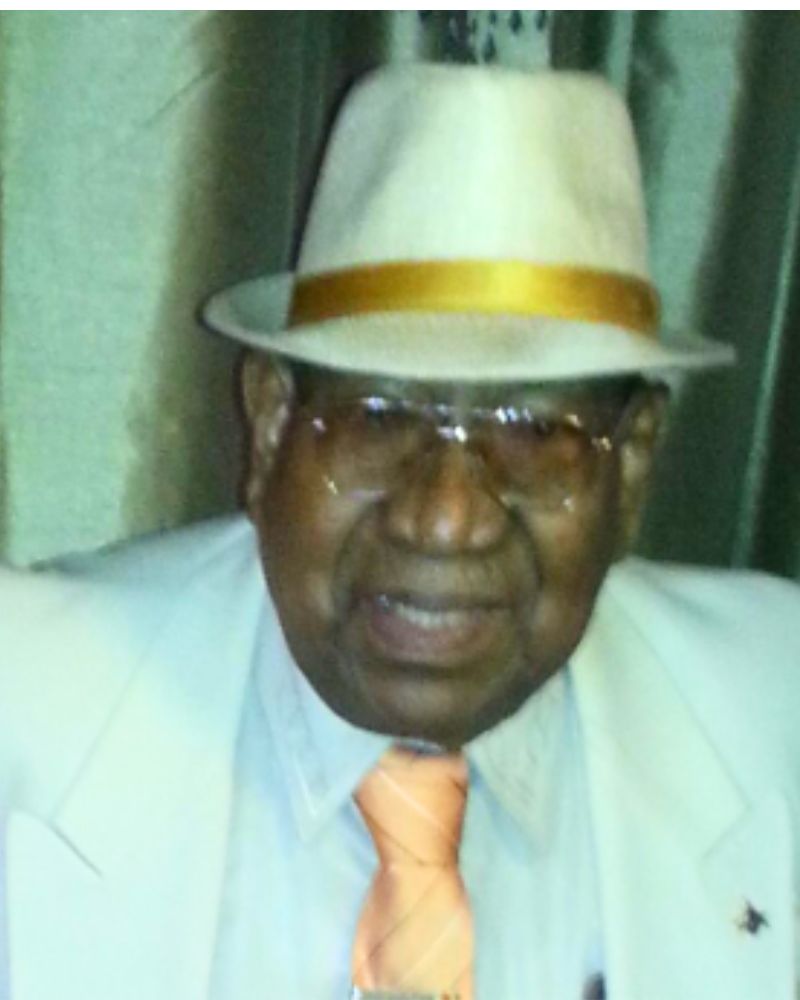
Alejandro Smith
At 94 years old, Alejandro Smith, former mayor of Puerto Barrios, spoke words that stopped me in my tracks:
“I knew the Jamaicans who came to work for the United Fruit Company personally—as well as their professions and the positions they held in the company.”
This was not secondhand information. This was not something he had read or been told. He knew them.
He knew the men and women who arrived with suitcases, skills, discipline, and dignity. He knew their names, their trades, their work ethic, and their contributions. He remembered the teachers, clerks, technicians, nurses, foremen, accountants, craftsmen—Jamaicans who helped build not only an industry, but a town, a port, and a
future.
These were the Afro-Jamaicans who came to Guatemala in the early 1900s to work for the United Fruit Company—not as anonymous laborers, but as trained professionals who played key roles in the company’s operations and in the social life of Puerto Barrios.
What moved me most was not just what he said—but how he said it.
There was pride in his voice. Respect in his memory. Certainty in his testimony.
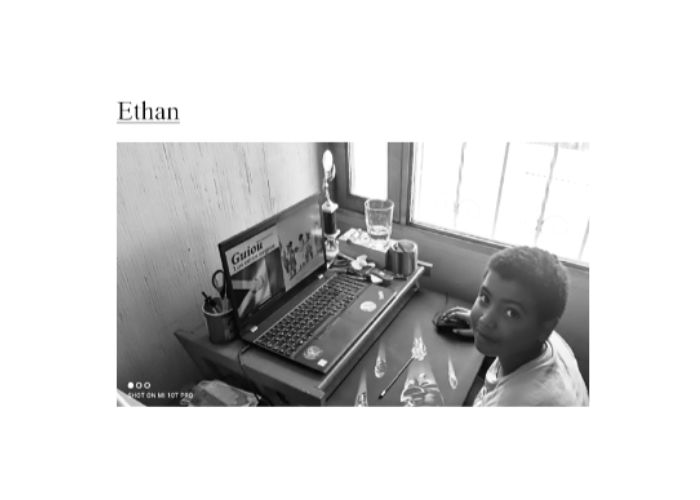
Ethan
Ethan, just 10 years old—another cousin’s son—now living in Mexico. There he was, standing proudly in class, using my book to give a presentation on “GUIOU” — the Afro descendants in Guatemala.
I stood still for a moment. To think that his presentation might not only educate his classmates, but perhaps also help Mexican children of
African descent—Afro-Mexicans—begin to understand their own ancestry, deeply moved me.
Ethan was only four or five years old when I hosted our first large Thanksgiving gathering for family and friends. People came from near and far—over 110 adults, plus children, filling the hall with laughter, warmth, and shared history.
As Ethan walked in holding his parents’ hands, his eyes widened. He looked around the room, overwhelmed with joy, and exclaimed:
“Daddy, there are many others here like us!”
And with that, he began to “work the room” in his own way—free, curious, and completely at home.
For the first time, he was in a space filled with people who looked like him. And he felt it.
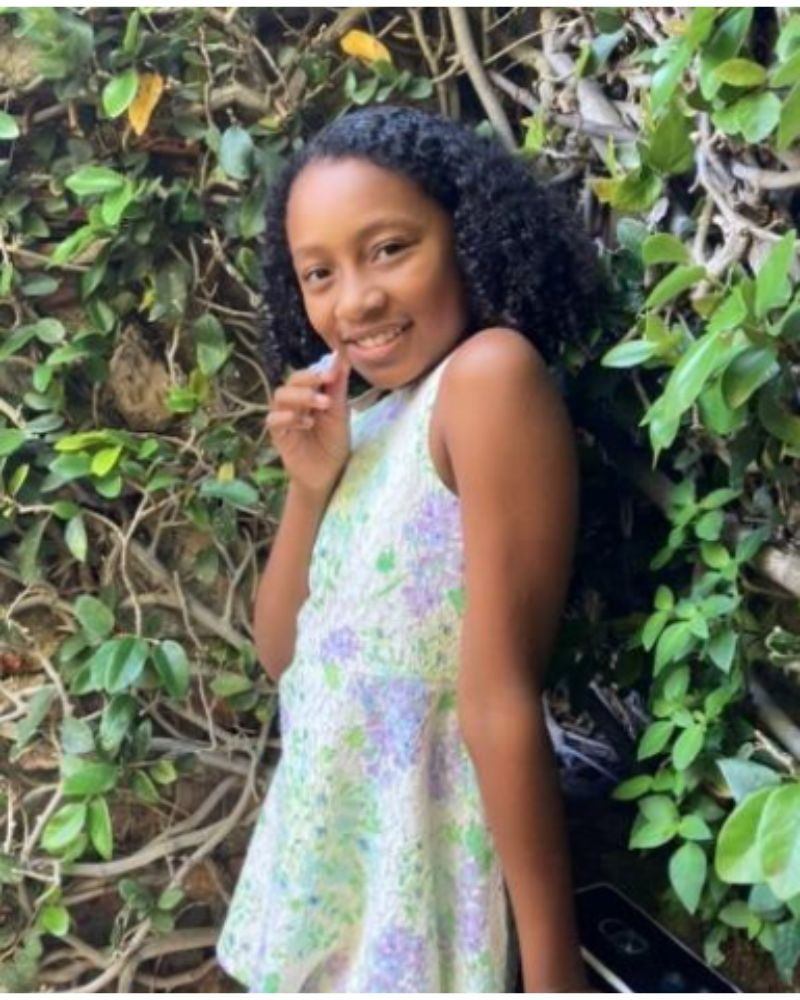
Geraldine
My cousin’s 10-year-old granddaughter, Geraldine, was assigned a school project for Culture Day. Her teacher told her she would be presenting on the Garífuna people.
Geraldine replied confidently, “Why? I’m not Garífuna.”
The teacher, certain she knew better, answered, “Of course you are.”
But Geraldine stood her ground: “No, I’m not. I’m an Afro descendant.”
The teacher paused. She had never heard that term before.
“What’s that?” she asked—and then requested a report.
That question brought Geraldine to me.
She came with curiosity, seriousness, and a hunger to understand who she truly is. I answered every question she asked. I shared our story—our migration, our Jamaican roots, our presence in Guatemala, and why so few people look like her today. When she left, she knew.
Geraldine returned to school proud and prepared. She delivered her presentation with confidence. Her teacher was enlightened. Her classmates learned something new. And a young girl walked away with something priceless: identity.
Today, Geraldine has embraced her Jamaican roots. She wants to learn about Jamaica, its culture, its history—all things Jamaican. She even dreams of visiting the island one day. God willing, I would love to be
the one to take her there and introduce her to her roots, so she can stand strong in who she is as she grows up in a country where, with each generation, fewer people look like her.
Marco Tulio
Question to Marco: When did you first become aware of black people in Guatemala?
“I was about age 7 when I first saw a black person. It was at a football game and the black player was Henry Stokes. I was so impressed by his appearance and the sheer power he displayed. I’ll never forget that. Later a member of my family fell in love with a black man and they were married. I came to know him as a person and since then I have seen an occasional black person but I actually never thought of them as being Guatemalan until I was well up in years and traveled to Izabal where I saw many black people. I learned about the Garifuna people and a few basics about the culture.
Then I thought all black people were Garifuna. More recently I learned otherwise. Now when I see a black person, I do not assume as to their ethnicity.”

★ ★ ★ ★ ★
“A healthy personal identity is not a luxury—it is a vital part of education.”
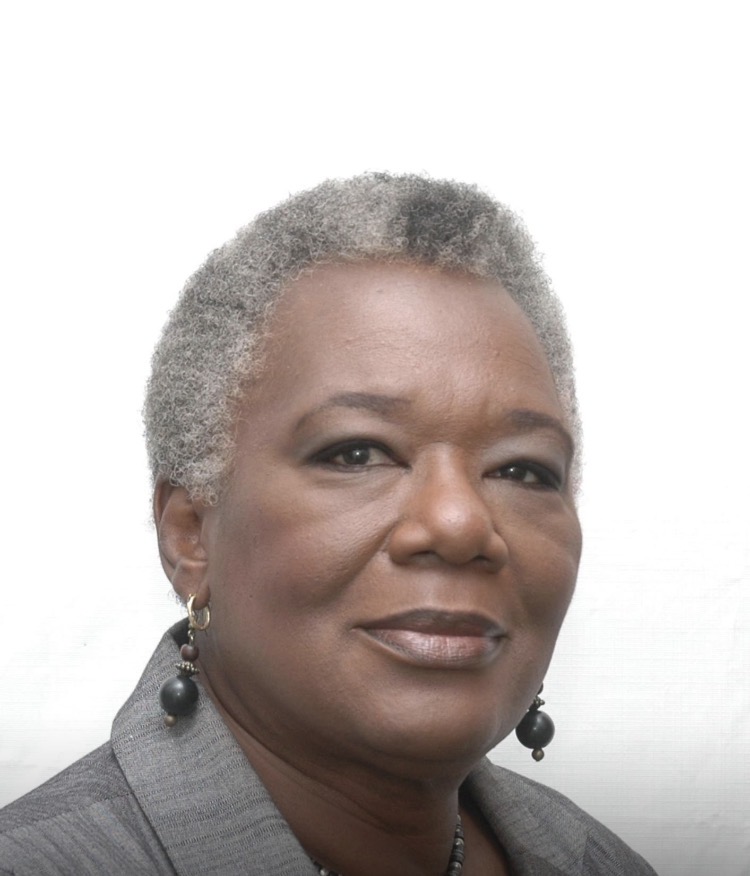
Gloria Rowe–Arnold/Author