Discover Cultural Richness
About
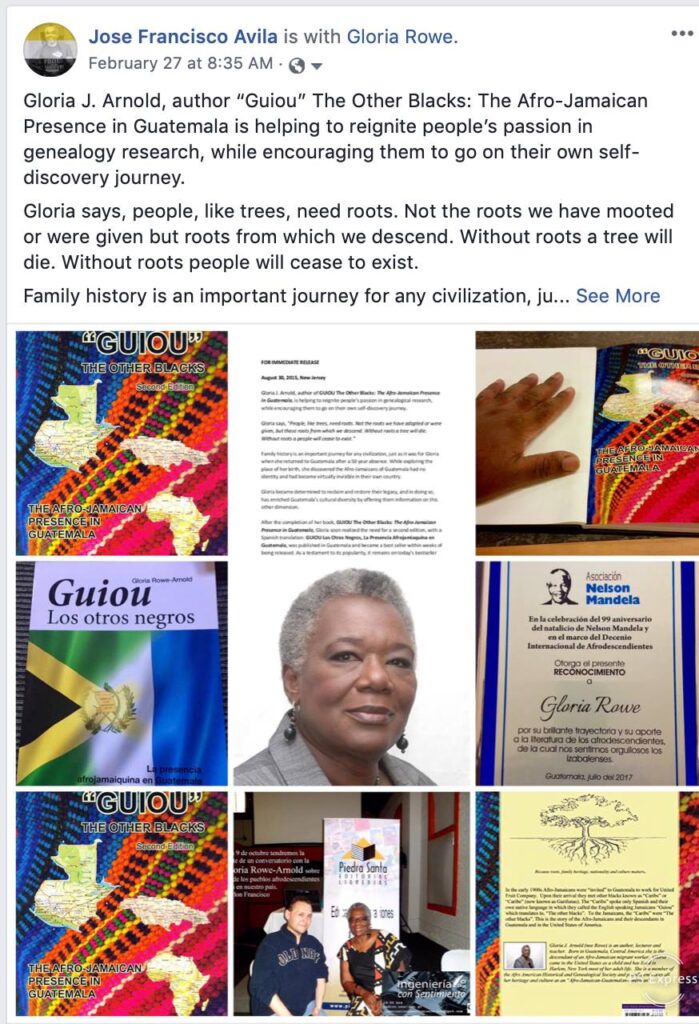
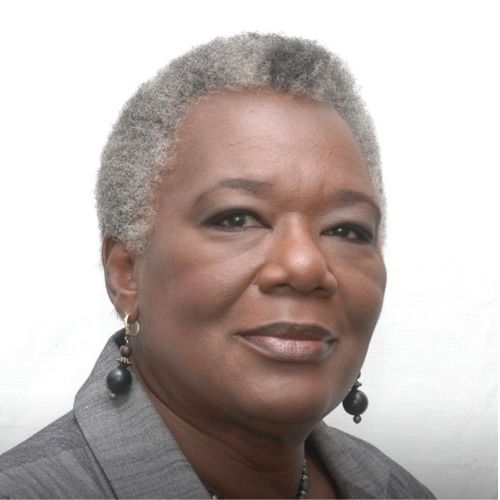
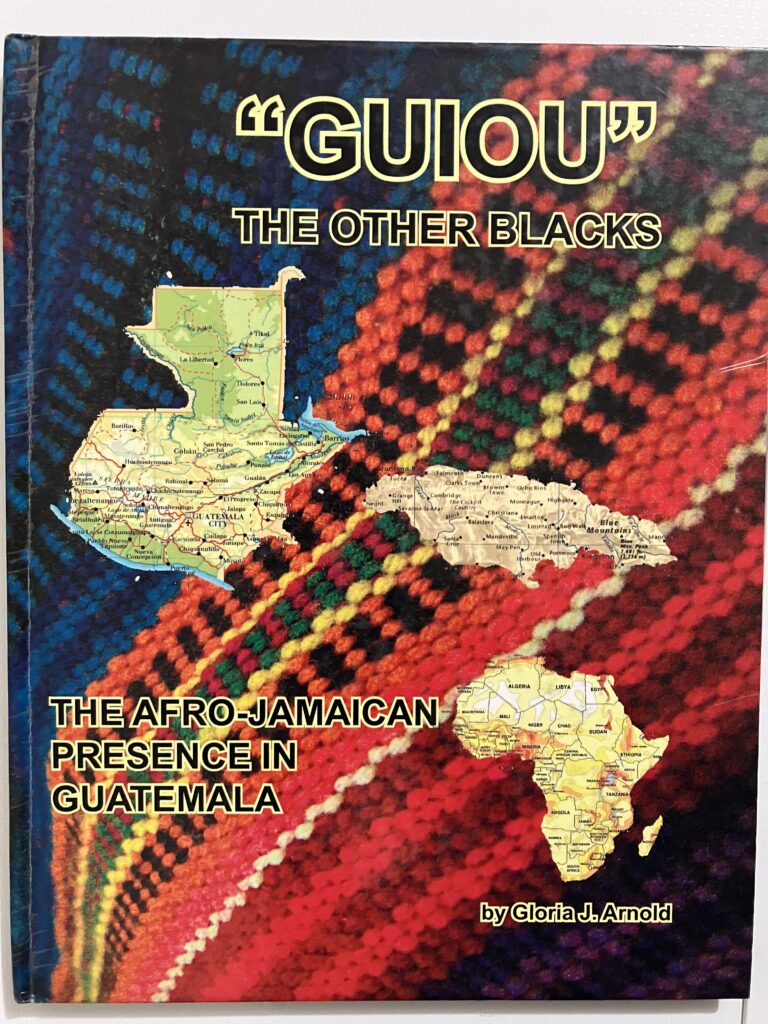
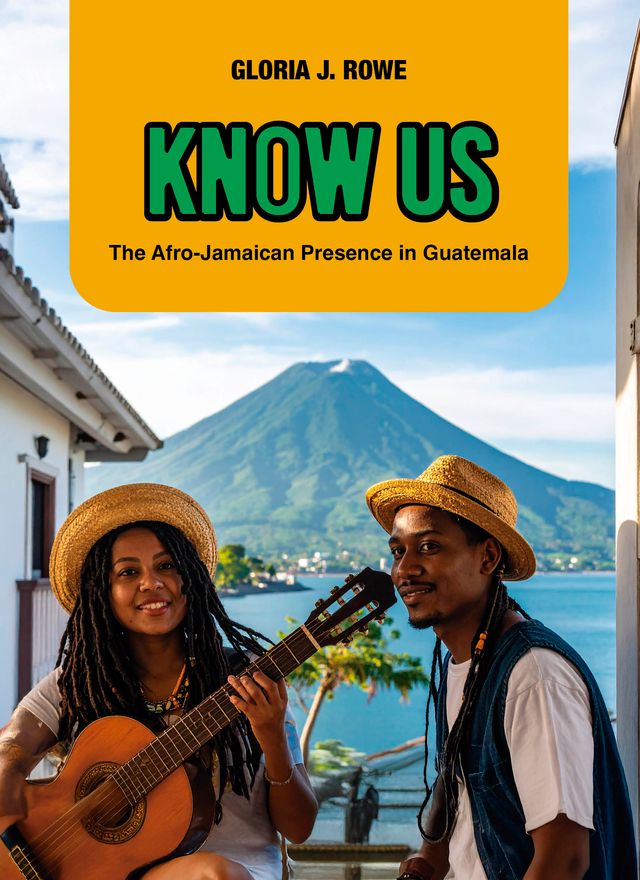
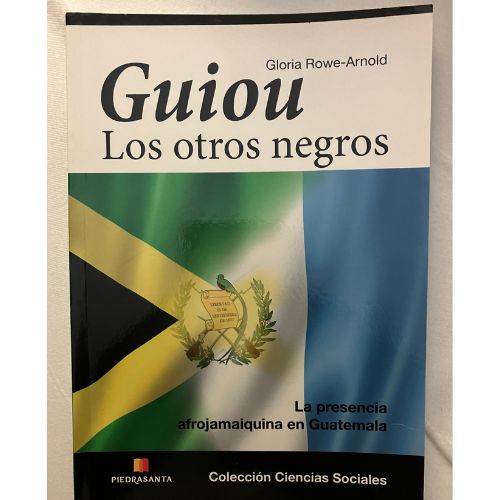
Roots and Migration is a platform created by Gloria J. Rowe (Gloria J. Arnold)—writer, cultural historian, and Afro-Jamaican Guatemalan descendant—dedicated to telling the untold stories of Afro-Jamaican migration, identity, and legacy in Guatemala and Central America.
Born in Puerto Barrios, Guatemala, and shaped by years in Harlem, New York, Gloria’s work connects past and present through history, culture, faith, and lived experience.
This website celebrates roots, honors journeys, and gives visibility to a people whose contributions deserve recognition.
MAYPOLE DANCE CELEBRATIONS
In Guatemala
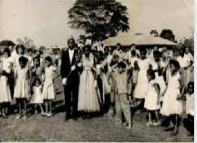
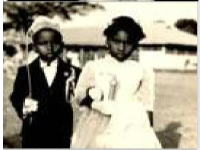
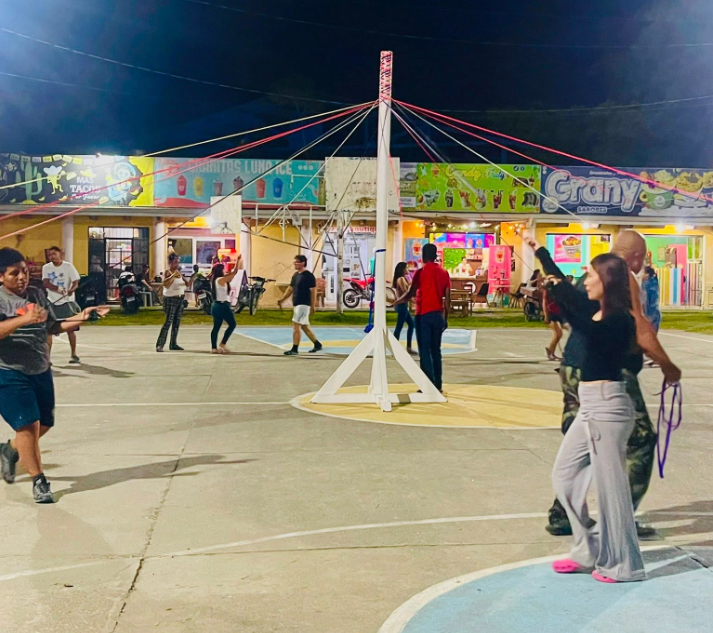
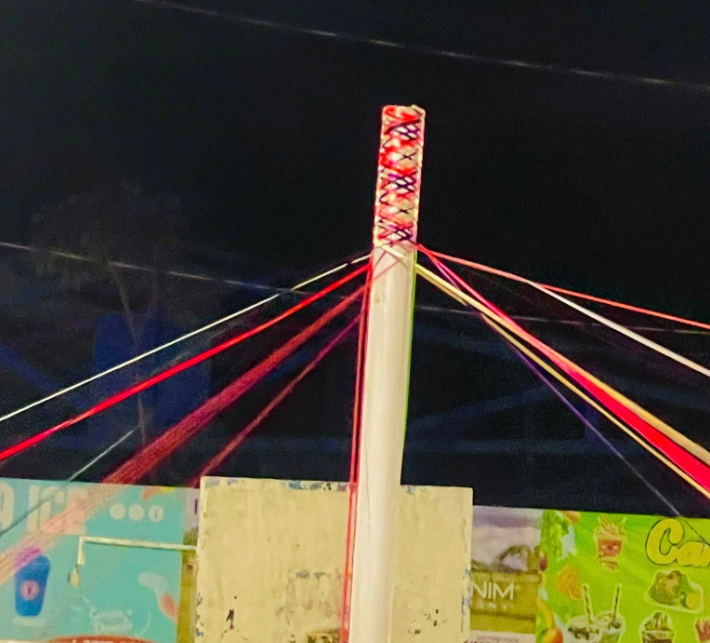
Decades of History – The Maypole Dance.
The traditional Palo de Mayo 2026 is coming! Rehearsals have started. Learn about this tradition, which takes place every first of May with a tour full of music and color through the main streets.
In many countries May 1 st is a public holiday known as International Workers’ Day or Labor Day. While Guatemala commemorates the day with special parades and demonstrations, in Morales/Bananera, Izabal, the day also carries another vibrant meaning: the celebration of the annual May Pole Dance.
SEE THE HISTORY OF MAYPOLE DANCE IN GUATEMALA BELOW:
History of the Maypole Dance in Guatemala
For many years, Bananera was the heart of the Jamaican community in Guatemala, and it was
there that one of its most cherished traditions flourished. The May Pole originated as a European fertility festival connected to the first of May. British colonizers later brought this tradition to Jamaica, where it was preserved, adapted, and infused with Jamaican culture—often accompanied by the lively rhythms of mento, a Jamaican folk music style that predates ska and reggae and deeply influenced Jamaica’s musical identity.
Around 1950 or 1951, Evelyn Daniels, a Jamaican-born woman, introduced the May Pole Dance to Guatemala as part of her cultural heritage. What began as a celebration of identity soon became the most anticipated social event of the year for Jamaica descendants living in Guatemala.
Each year, Jamaicans traveled from near and far to attend. Everyone dressed in their finest attire
for the grand parade and dance, where a King and Queen of the Jamaican community were
selected annually. The entertainment was unforgettable—two bands competed fiercely for the crowd’s attention: one made up of Belizean musicians and the other of Jamaican musicians. They tried to outdo one another as people danced until no one was left standing.
I remember traveling by train with my mother from Puerto Barrios to Bananera for the May
Pole Dance in 1954. I was only seven years old, and it remains one of the most beautiful and
exciting days of my life. People were elegantly dressed, music filled the air, and there was food, drink, and celebration everywhere. I slipped away from my mother’s grasp to get closer to the King and Queen and felt absolutely thrilled when the Queen touched me with her wet scepter—only to feel my mother quickly take my hand again moments later.
Over time, the tradition was no longer celebrated by the Jamaican community, and according to recent testimony, it was later embraced and preserved by the Garifuna community.
Today, INGUAT officially recognizes the May Pole Dance as an Afro-Jamaican tradition
introduced to Morales/Bananera by Evelyn Daniels. And every May 1st—except during the
COVID-19 pandemic—the celebration continues in Morales, keeping alive a beautiful legacy of culture, music, and memory.
GO TO THE GALLERY TO SEE VINTAGE PHOTOS OF THE MAYPOLE CELEBRATIONS.